
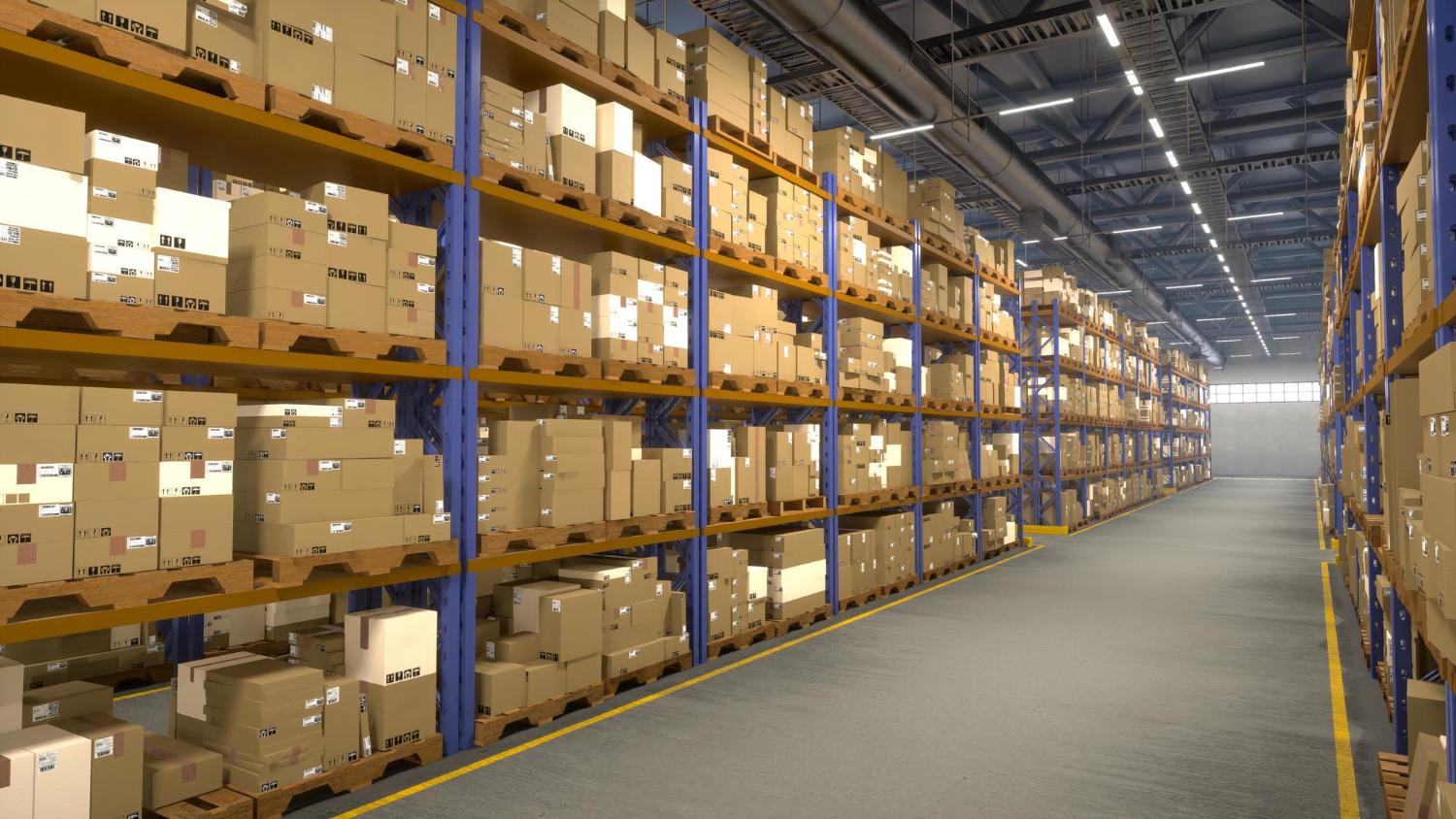
A familiar question when applying for a credit line
When a business applies for a credit line, one of the bank's first questions is almost always: “What is the collateral for the loan?”
The order of preference is just as familiar: real estate first, inventory last. Many banks today do not accept inventory as collateral at all.
Yet for most trading and manufacturing businesses, the main assets are inventory and receivables, not real estate. The asset a business owns most of is the hardest to get accepted. This is a paradox of the credit market.
Controlling inventory means controlling the loan
Notably, when a bank can control inventory, it controls several core elements of a loan:
So why do banks still not favour this asset, or even refuse it?
The bottleneck: an asset that is always moving
The problem lies in trust and the ability to manage a very particular kind of asset.
Inventory does not stand still like real estate. Goods are received, dispatched and moved constantly with the rhythm of the business. Meanwhile, the bank needs to be sure that the value of the goods is always enough to cover the debt at every point in time, within a safe LTV (Loan-to-Value) ratio.
An asset in constant motion, yet banks lack the tools and resources to monitor it regularly. That is the bottleneck.
Removing the bottleneck: benefits for both businesses and banks
Once monitoring is solved, businesses, especially small and medium-sized traders and manufacturers, gain a new channel to access capital based on their own goods, without extra real estate. Banks can expand their loan books beyond real estate, in line with the push by the Government and the State Bank to channel credit into production and business.
This will take time, since it involves the risk appetite of the whole system and cannot shift overnight. Still, with the right data infrastructure and monitoring technology, Inventory Financing has plenty of room to grow strongly in Vietnam in the years ahead.
How INEX approaches the problem
InexHub is a digital platform connecting banks, businesses and warehouses to jointly manage, control and prove the status of goods pledged as collateral. Every inbound and outbound order is approved and recorded on the platform; collateral value is tracked in real time against the required level; inventory is reconciled every day and every action leaves a tamper-proof record.
Explore InexHub →